

As a supplier of Paper Walnuts, I often get asked various questions about these delicious nuts. One of the most common inquiries is whether paper walnuts need a lot of water. In this blog post, I'll delve into the water requirements of paper walnuts, exploring the scientific aspects and how it impacts their growth, quality, and ultimately, our supply.
Understanding Paper Walnuts
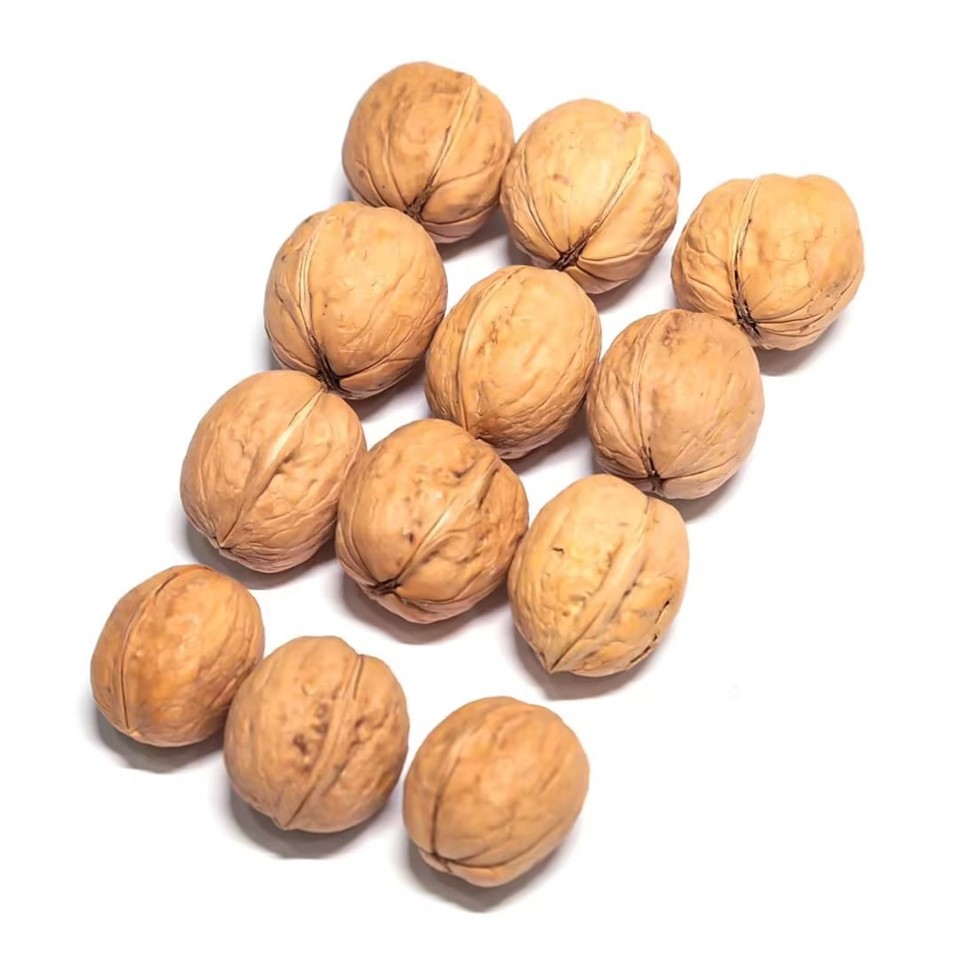
Before we discuss water needs, let's briefly understand what paper walnuts are. Paper walnuts, available at Paper Walnut, are a type of walnut known for their thin, easily crackable shells. They are highly sought after in the market due to their rich flavor and nutritional value. Compared to other walnuts, such as the Nutural Walnut Nut and Walnut without Shell, paper walnuts have a distinct texture and taste that make them a favorite among consumers.
The Role of Water in Walnut Growth
Water is an essential element for the growth and development of all plants, and paper walnuts are no exception. It plays a crucial role in several physiological processes within the walnut tree.
Photosynthesis
Photosynthesis is the process by which plants convert sunlight, carbon dioxide, and water into glucose and oxygen. Water is a key component in this process, as it provides the hydrogen atoms needed to form glucose. Without an adequate supply of water, the rate of photosynthesis decreases, which can lead to reduced growth and lower nut production.
Nutrient Uptake
Water acts as a carrier for nutrients in the soil. The roots of the walnut tree absorb water along with dissolved minerals and nutrients, such as nitrogen, phosphorus, and potassium. These nutrients are essential for the tree's growth, development, and overall health. If the soil lacks sufficient water, the roots may not be able to take up these nutrients effectively, leading to nutrient deficiencies and poor tree performance.
Transpiration
Transpiration is the process by which water is lost from the leaves of the plant in the form of vapor. This process helps to cool the plant and maintain its temperature. It also creates a suction force that pulls water and nutrients up from the roots to the leaves. Adequate water supply is necessary to maintain the transpiration rate and ensure proper functioning of the plant.
Water Requirements of Paper Walnut Trees
The water requirements of paper walnut trees vary depending on several factors, including the stage of growth, climate, soil type, and tree age.
Young Trees
Young paper walnut trees require more water than mature trees. During the first few years after planting, the roots are still developing, and the tree needs a consistent supply of water to establish itself. It is recommended to water young trees deeply and regularly, especially during dry periods. A general guideline is to provide about 10 to 15 gallons of water per week for each young tree.
Mature Trees
Mature paper walnut trees are more drought-tolerant than young trees. However, they still need a sufficient amount of water, especially during critical growth stages such as flowering, fruit set, and nut development. In general, mature trees require about 20 to 30 gallons of water per week during the growing season. However, this can vary depending on the climate and soil conditions.
Climate and Soil Type
The climate and soil type also play a significant role in determining the water requirements of paper walnut trees. In hot and dry climates, the trees will need more water to compensate for the increased evaporation rate. Similarly, sandy soils drain water more quickly than clay soils, so trees planted in sandy soils may require more frequent watering.
Irrigation Methods for Paper Walnut Trees
To ensure that paper walnut trees receive an adequate supply of water, proper irrigation methods are essential. There are several irrigation methods available, each with its own advantages and disadvantages.
Drip Irrigation
Drip irrigation is a popular method for watering paper walnut trees. It involves the slow and precise application of water directly to the root zone of the tree. This method reduces water waste by minimizing evaporation and runoff. Drip irrigation also helps to maintain a consistent soil moisture level, which is beneficial for the tree's growth and development.

Sprinkler Irrigation
Sprinkler irrigation is another common method for watering walnut trees. It involves the application of water through sprinklers, which distribute water over a large area. Sprinkler irrigation is suitable for large orchards and can be used to irrigate multiple trees at once. However, it can also lead to water waste due to evaporation and wind drift.
Flood Irrigation
Flood irrigation is a traditional method of watering that involves flooding the orchard with water. This method is less commonly used today due to its high water consumption and potential for soil erosion. However, it can be effective in some situations, such as in areas with low water availability or where the soil has a high water-holding capacity.
Impact of Water on Paper Walnut Quality
The amount of water that paper walnut trees receive can have a significant impact on the quality of the nuts.
Nut Size and Weight
Adequate water supply during the nut development stage is crucial for achieving large and heavy nuts. Water stress during this period can lead to smaller nuts with lower oil content. On the other hand, excessive water can also have a negative impact on nut quality, as it can cause the nuts to become soft and moldy.
Shell Thickness
The water supply can also affect the thickness of the paper walnut shell. Trees that receive sufficient water tend to produce nuts with thinner shells, which are easier to crack. In contrast, water stress can result in thicker shells, making the nuts more difficult to open.
Flavor and Nutritional Value
Water plays a role in the development of the flavor and nutritional value of the nuts. A balanced water supply helps to ensure that the nuts have a rich, nutty flavor and high nutritional content. Water stress can lead to a reduction in the flavor and nutritional quality of the nuts.
Conclusion
In conclusion, paper walnuts do require a significant amount of water, especially during critical growth stages. Adequate water supply is essential for the growth, development, and quality of the nuts. As a supplier of paper walnuts, I understand the importance of providing our customers with high-quality nuts. That's why we take great care to ensure that our walnut trees receive the right amount of water through proper irrigation methods.
If you're interested in purchasing our paper walnuts or have any questions about their water requirements or other aspects of our products, please don't hesitate to contact us for a procurement discussion. We're always happy to assist you and provide you with the best possible service.
References
- Taiz, L., & Zeiger, E. (2010). Plant Physiology (5th ed.). Sinauer Associates.
- Fenn, M. E., & Dunn, M. S. (1989). Nutrient requirements of walnut trees. University of California Division of Agriculture and Natural Resources.
- Westwood, M. N. (1993). Temperate-zone Pomology: Physiology and Culture (2nd ed.). Timber Press.