

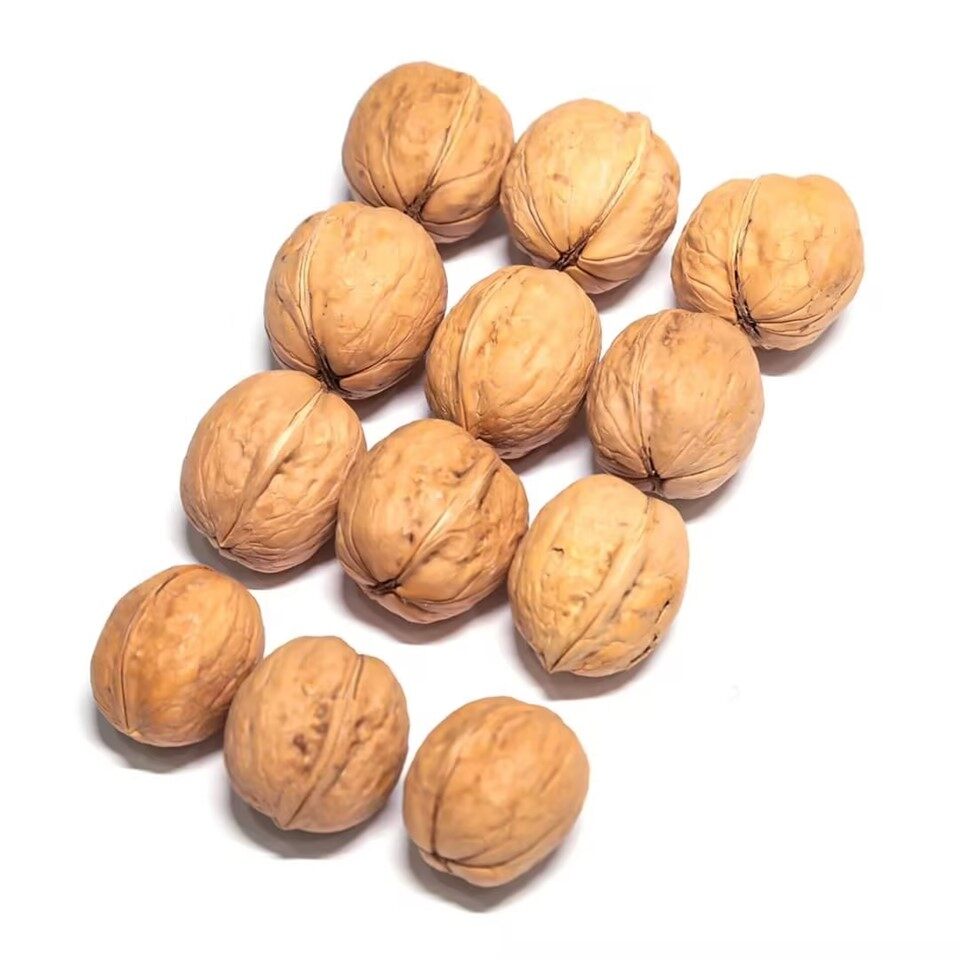
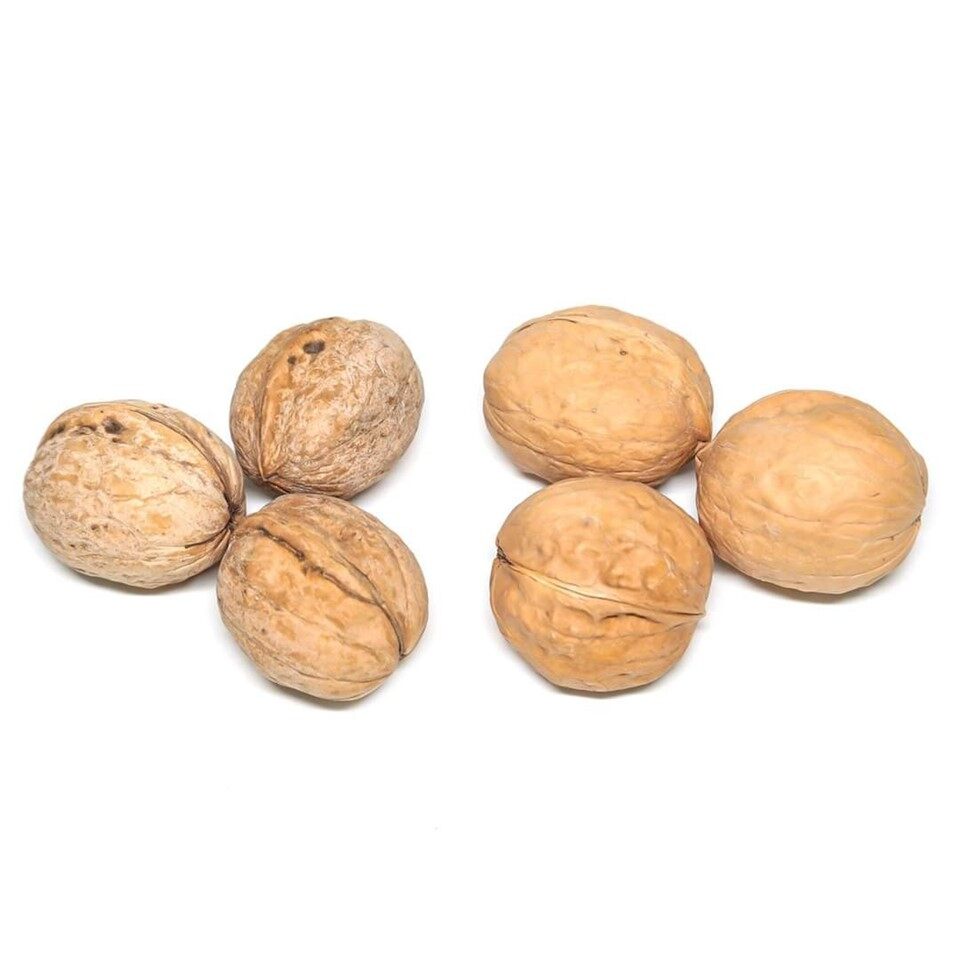
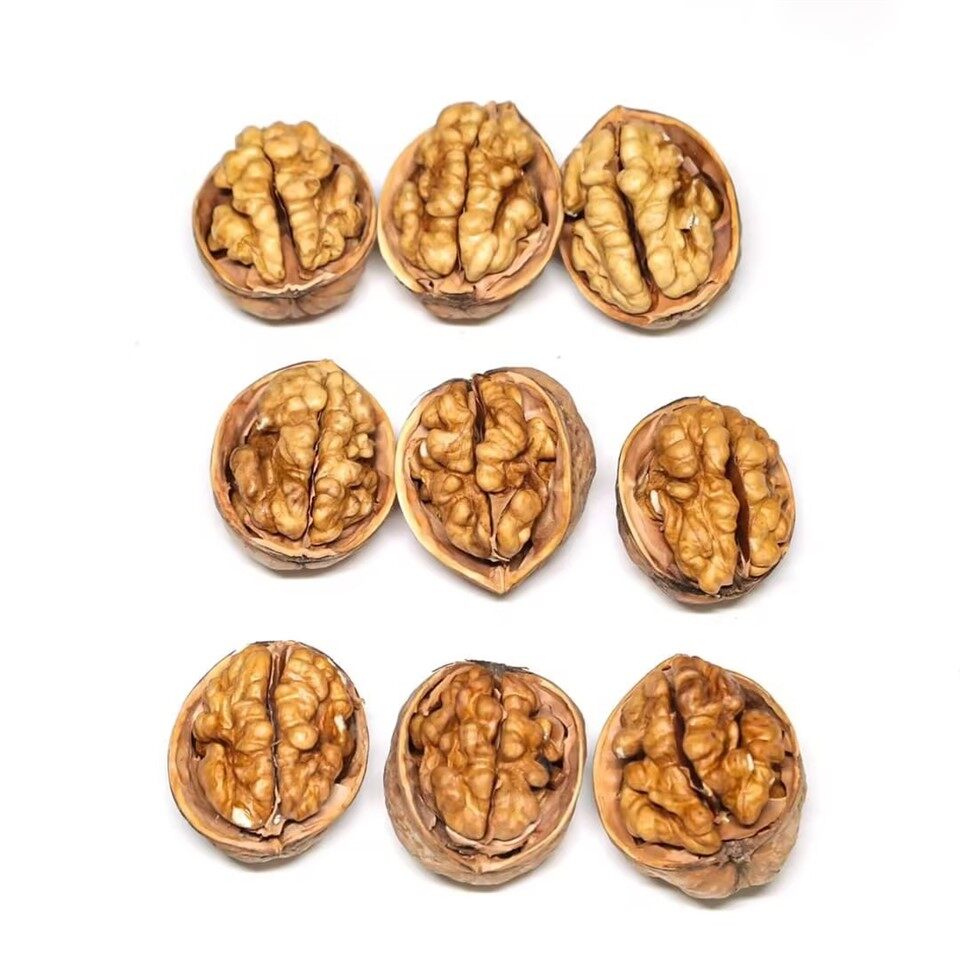
The main producing areas of Chinese paper walnut are in Xinjiang and Yunnan, and the products of Aksu in Xinjiang are the best. Paper walnut is rich in protein, calcium, phosphorus, iron and other minerals and trace elements and vitamins, has a high nutritional value, and is welcomed by the majority of people. In recent years, the consumption of walnut increases year by year, and the output of walnut in our country is also increasing.


Product Application

Unlike other products, paoer walnuts are not the bigger the better, the longer the fruit hanging time will cause the shell to thicken, affecting the yield, and there will be some fruit shells too thick to meet the standard of paper walnuts.
The average content of protein and fat in Xinjiang walnuts (paper walnut) is 19.35% and 60.91% respectively. Compared with other walnuts in China, the paper walnuts in Xinjiang have the characteristics of high protein content and low fat content. The fatty acid composition was palmitic acid, oleic acid, linoleic acid, α-linolenic acid and stearic acid. The average unsaturated fatty acid content was 90.45%, polyunsaturated fatty acid 66.19%, and the ratio of linoleic acid (ω6) to α-linolenic acid (ω-3) was in line with the recommended value of WHO. The total amino acid content is high, the essential amino acid content accounts for 27% ~ 30% of the total amino acid content, and the SRC is between 68.85 ~ 78.40. The first limiting amino acid of walnut protein is lysine.
Eating paper walnut offers several health benefits.
Paper Walnuts are rich in heart - healthy fats. They contain a high amount of polyunsaturated fats, including omega - 3 fatty acids. These fats can help reduce inflammation in the body and lower bad cholesterol (LDL) levels, thus decreasing the risk of heart disease.
01
They are a good source of protein. Protein is essential for the growth, repair, and maintenance of body tissues. It also helps you feel full for a longer time, which can be beneficial for weight management.
02
Paper Walnuts are packed with antioxidants such as vitamin E. Antioxidants protect the body's cells from damage caused by free radicals. This damage can lead to various diseases and signs of aging. Vitamin E in walnuts also helps improve skin health.
03
The presence of minerals like magnesium and zinc in walnuts is another advantage. Magnesium is important for nerve and muscle function, as well as for maintaining a healthy heart rhythm. Zinc plays a crucial role in the immune system and is involved in wound - healing processes.
04
Moreover, the dietary fiber in walnuts aids in digestion. It can prevent constipation and promote a healthy digestive tract by adding bulk to the stool and helping it move through the intestines more easily.


