

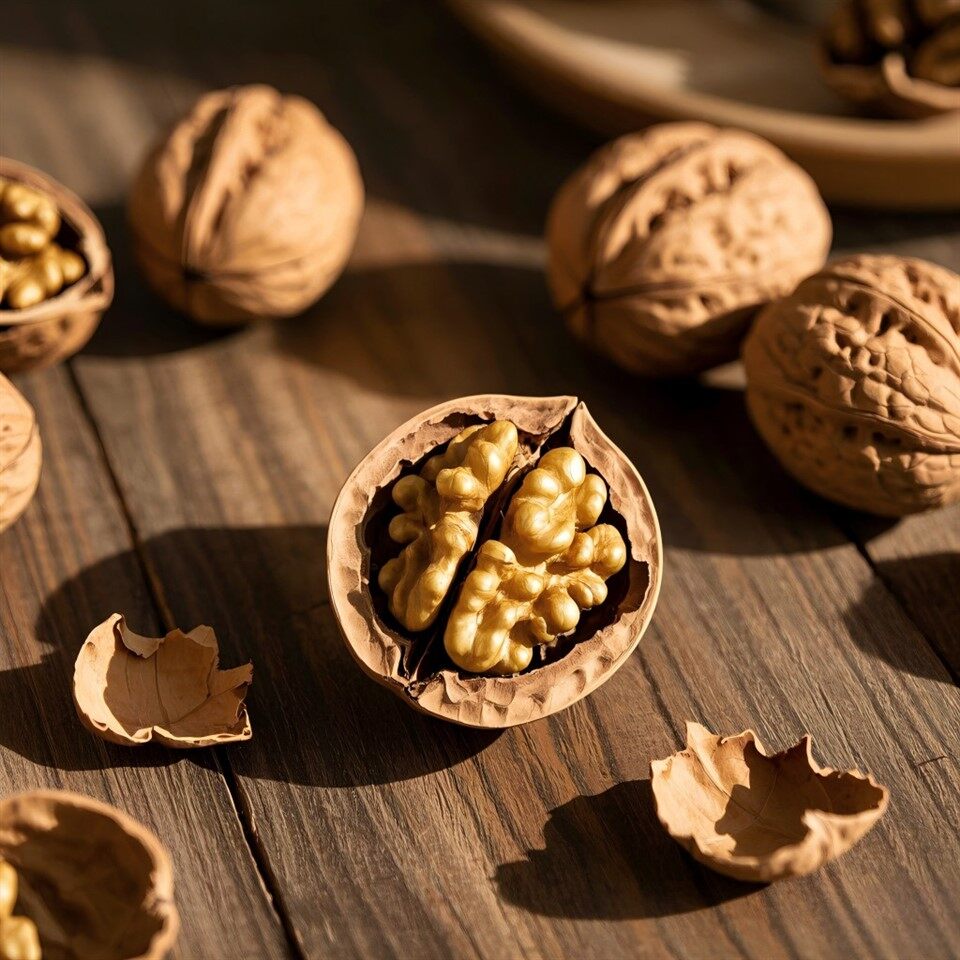
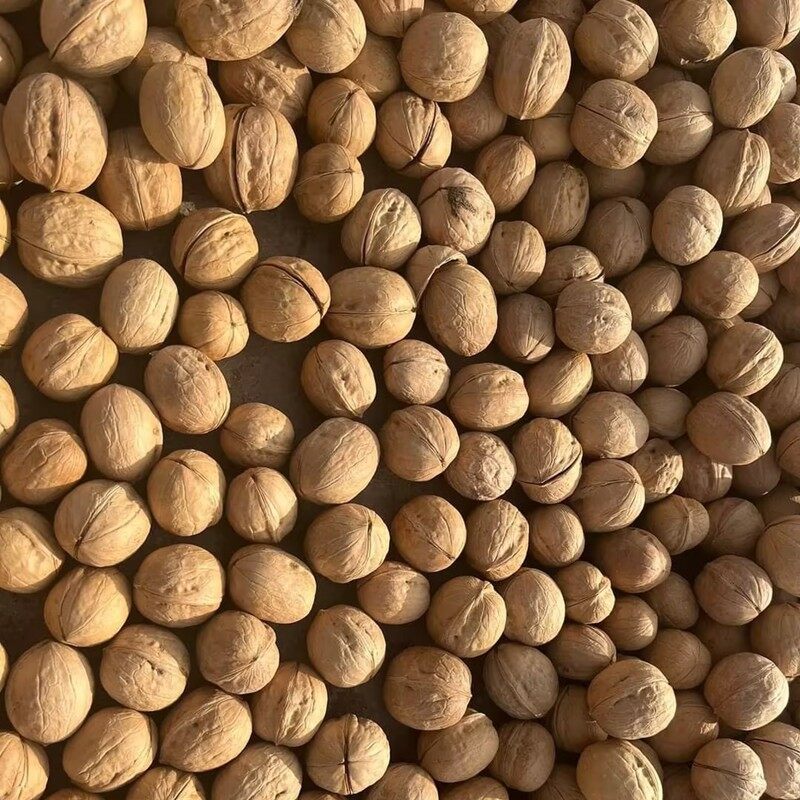
Whole walnuts in shell are a highly nutritious nut.
Appearance and structure
Walnuts have a hard, brown shell with an irregularly textured surface. The hard shell protects the inner kernel, which is typically spherical or nearly so and varies in size from walnut variety to walnut variety, usually about 3-6 cm in diameter. The main components of the shell are lignin and cellulose, which give the shell its hard texture and protect it from external physical damage and microbial attack.
Once the walnut shell has been opened, the kernel can be seen inside, surrounded by a thin layer of seed coat. The seed coat is typically darker in colour, ranging from light brown to yellowish brown. While this layer is slightly bitter and astringent, it does contain certain nutrients.


Nutritional value
A rich source of healthy fats: In-shell walnuts are a rich source of unsaturated fats, including omega-3 and omega-6, which are beneficial for cardiovascular health. The unsaturated fats found in these nuts are beneficial to the human cardiovascular system, lowering cholesterol levels and reducing the risk of heart disease. For example, including walnuts in your diet on a regular basis can help maintain a healthy cholesterol balance.
Walnuts are a rich source of protein. Walnuts are a valuable source of plant protein. Proteins are essential for the growth, repair and maintenance of the body's tissues. For example, proteins are essential for building and repairing body tissues, including muscles, bones and skin.
It contains a wide range of vitamins and minerals, including vitamin E, a powerful antioxidant that protects cells from free radical damage, slowing down the ageing process. It also contains minerals such as calcium, magnesium and iron. Calcium is essential for maintaining healthy bones, magnesium is involved in the body's energy metabolism and regulation of the nervous system, and iron plays an important role in the synthesis of haemoglobin, helping to prevent iron deficiency anaemia.
The following serving suggestions are made:
The product can be eaten directly
The walnut shell can be opened using walnut clips or other suitable tools, allowing the kernels to be removed for consumption. This method ensures the best possible preservation of the walnut's original nutrients.
01
Culinary applications
Walnuts also offer a wide range of culinary applications. For example, walnuts can be added to salads to enhance both flavour and nutritional value. Crushed walnuts can be added to baked goods such as bread and cakes to add a distinctive flavour. They can also be used in the preparation of walnut porridge, walnut dew and other beverages.
02
Dry storage
It is recommended that intact, in-shell walnuts are stored in a dry, well-ventilated area to prevent moisture contamination. A damp environment will result in mouldy walnuts which will affect both quality and safety. It is recommended that walnuts are stored in airtight containers, such as glass jars or airtight plastic boxes, and then placed in a cool cupboard or storage room.
03
Refrigerate or freeze as required
If you want to extend the shelf life of the walnuts, you can put them in the fridge or freezer. Refrigeration slows down the oxidation of the fat in walnuts to some extent. Freezing, on the other hand, is an effective way of preserving the nutrients and flavour of walnuts. It should be noted, however, that walnuts must be thawed before consumption.
04


