

Hey there, folks! As a supplier of unshelled walnuts, I've been getting a lot of questions lately about whether these little guys have a natural flavor enhancer. Well, I'm here to spill the beans (or should I say, walnuts) and give you the lowdown on this nutty topic.
First off, let's talk about what makes walnuts so special. Walnuts are packed with nutrients like omega - 3 fatty acids, antioxidants, and vitamins. They're not just good for your heart and brain but also have a unique flavor that can add a delicious crunch to all sorts of dishes. But do they have a natural flavor enhancer? The short answer is yes!
Walnuts contain a compound called tannins. Tannins are a type of polyphenol that are found in many plants, including grapes, tea, and of course, walnuts. These tannins give walnuts their slightly bitter and astringent taste. Now, you might be thinking, "Bitter? That doesn't sound like a flavor enhancer!" But here's the thing: that bitterness actually works as a counterpoint to other flavors in a dish. It adds depth and complexity, much like how a splash of lemon juice can brighten up a rich sauce.
Another natural component in walnuts that can enhance flavor is their natural oils. Walnuts are about 65% fat, and a good portion of that is healthy unsaturated fat. These oils have a rich, nutty flavor that can infuse into whatever they're cooked with. When you toast walnuts, for example, the heat causes these oils to release their flavor even more, creating a more intense and delicious nutty taste.
Let's take a look at some real - world examples of how unshelled walnuts can enhance flavor. In baking, walnuts can be a game - changer. When you add chopped walnuts to a chocolate chip cookie recipe, the nuttiness of the walnuts cuts through the sweetness of the chocolate, making each bite more balanced. The same goes for cakes and muffins. The natural flavor of walnuts adds an extra dimension that takes the baked goods from ordinary to extraordinary.
In savory dishes, walnuts are equally impressive. A walnut pesto, for instance, is a delicious alternative to the traditional basil pesto. The walnuts bring a creamy texture and a nutty flavor that pairs perfectly with pasta, grilled meats, or even as a spread on sandwiches. You can also sprinkle crushed walnuts on top of a salad for an added crunch and a burst of flavor.
Now, I know what you're thinking. "This all sounds great, but where can I get these amazing unshelled walnuts?" Well, I've got you covered. We offer a variety of unshelled walnuts that are perfect for all your culinary adventures. Check out our Nutraj Walnut without Shell. These walnuts are of the highest quality, with a rich, natural flavor that's sure to enhance any dish.

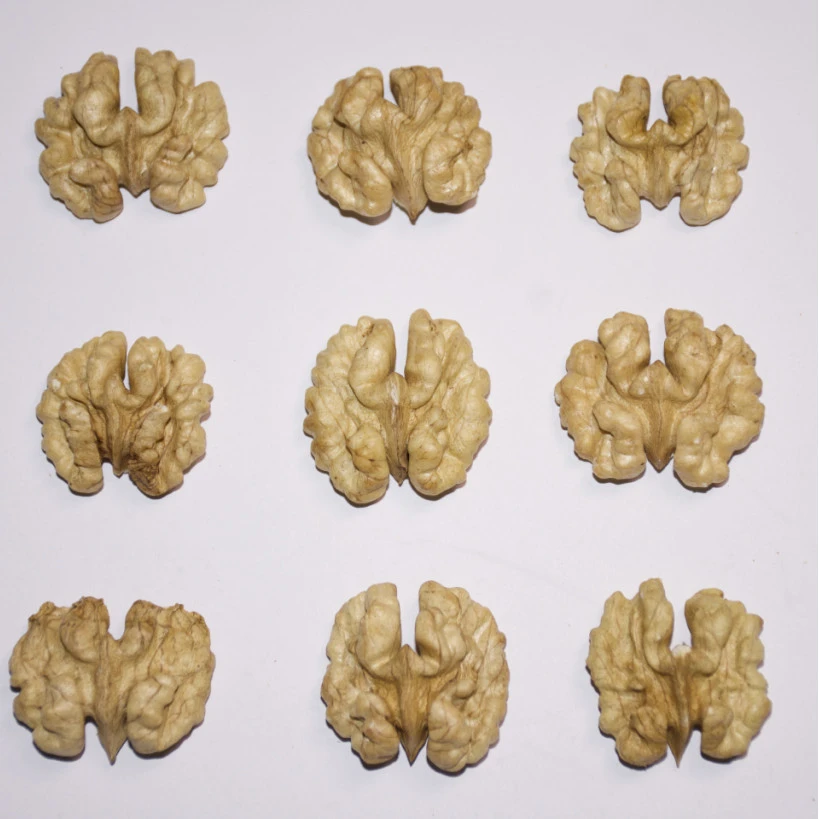
If you're looking for something a bit more special, our Special Walnut Kernels are a great choice. They have a unique taste and texture that set them apart from the rest. And for those who prefer a lighter - flavored walnut, our Yunnan Extra Light Walnut Kernels are just what you need.
Whether you're a professional chef looking to add a new ingredient to your repertoire or a home cook wanting to spice up your meals, our unshelled walnuts are the perfect choice. They're not only a natural flavor enhancer but also a healthy addition to your diet.
So, if you're interested in purchasing our unshelled walnuts, we'd love to hear from you. We're open to discussions about bulk orders, pricing, and any other questions you might have. Reach out to us, and let's start a conversation about how our walnuts can take your cooking to the next level.
In conclusion, unshelled walnuts do indeed have a natural flavor - enhancing ability. Their tannins, natural oils, and unique flavor profile make them a versatile ingredient in both sweet and savory dishes. So, don't hesitate to give our walnuts a try and see the difference they can make in your kitchen.
References:
- USDA National Nutrient Database for Standard Reference
- "The Science of Cooking" by Harold McGee
- Journal of Food Science and Technology articles on nut flavors and components