

Planting walnut seeds from fresh walnuts in shell can be a rewarding experience, offering the chance to grow your own walnut tree and enjoy the fruits of your labor in the future. As a supplier of Organic Whole Walnuts in Shell, High Quality Organic Walnut, and Unwashed 185 Paper Skin Walnut, I have a deep understanding of walnuts and the process of growing them from seeds. In this blog post, I'll share a comprehensive guide on how to plant walnut seeds from fresh walnuts in shell.
Selecting the Right Walnuts
The first step in planting walnut seeds is to select the right walnuts. You should choose fresh walnuts in shell that are healthy and free from any signs of damage or disease. Look for walnuts that are plump and have a hard, intact shell. It's also a good idea to select walnuts from a reliable source, such as our organic walnut products, which are known for their high quality.
Preparing the Walnuts for Planting
Once you have selected the walnuts, the next step is to prepare them for planting. Walnut seeds have a hard outer shell that can make it difficult for them to germinate. To improve the chances of germination, you can perform a process called stratification. Stratification mimics the natural conditions that walnuts experience during the winter months, breaking down the seed's dormancy.
Here's how you can stratify walnut seeds:
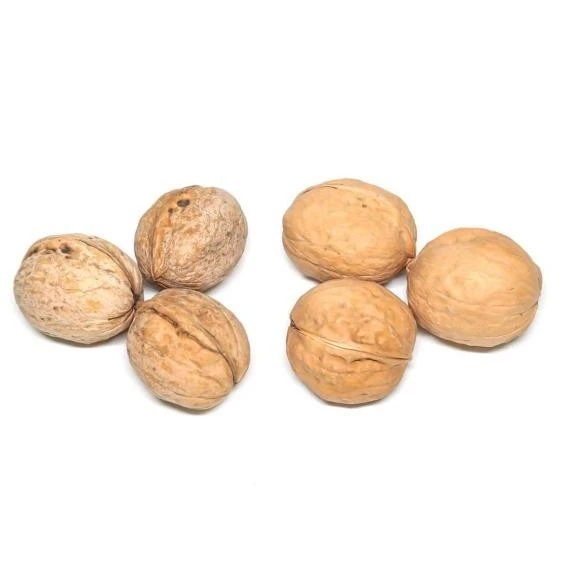
- Soak the walnuts: Place the walnuts in a container of water and let them soak for 24 to 48 hours. This will help to soften the outer shell and make it easier for the seed to germinate.
- Create a stratification medium: You can use a mixture of moist sand and peat moss as a stratification medium. Fill a plastic bag or a container with the medium.
- Add the walnuts to the medium: Place the soaked walnuts in the stratification medium, making sure they are evenly spaced.
- Seal the container: Seal the plastic bag or container and place it in the refrigerator. The ideal temperature for stratification is between 32°F and 41°F (0°C and 5°C).
- Check the walnuts regularly: Check the walnuts every few weeks to make sure the medium remains moist. If the medium starts to dry out, add a little water.
- Wait for the seeds to germinate: The stratification process can take anywhere from 90 to 120 days. After this period, check the walnuts for signs of germination. You should see a small root emerging from the seed.
Choosing the Planting Location
When choosing a location to plant your walnut seeds, it's important to consider the following factors:
- Sunlight: Walnut trees need plenty of sunlight to grow and thrive. Choose a location that receives at least 6 to 8 hours of direct sunlight per day.
- Soil: Walnut trees prefer well-drained, fertile soil. The soil should have a pH level between 6.0 and 7.5. You can test the soil pH using a soil testing kit, which is available at most garden centers.
- Space: Walnut trees can grow quite large, so make sure you choose a location that has enough space for the tree to grow. The tree should be planted at least 20 to 30 feet away from other trees, buildings, and power lines.
- Air circulation: Good air circulation is important for preventing diseases in walnut trees. Choose a location that has plenty of air movement.
Planting the Walnut Seeds
Once the walnut seeds have germinated, it's time to plant them in the ground. Here's how you can do it:
- Dig a hole: Dig a hole that is about 2 to 3 times the size of the walnut seed. The hole should be deep enough to accommodate the root system of the seedling.
- Add compost or fertilizer: Mix some compost or fertilizer into the soil at the bottom of the hole. This will help to provide the seedling with the nutrients it needs to grow.
- Place the seedling in the hole: Carefully place the germinated walnut seedling in the hole, making sure the roots are spread out evenly.
- Fill the hole with soil: Fill the hole with soil, gently tamping it down around the base of the seedling.
- Water the seedling: Water the seedling thoroughly to help settle the soil and provide moisture to the roots.
Caring for the Walnut Seedlings
After planting the walnut seedlings, it's important to provide them with proper care to ensure their healthy growth. Here are some tips on caring for walnut seedlings:
- Watering: Walnut seedlings need regular watering, especially during the first few months after planting. Water the seedlings deeply once or twice a week, depending on the weather conditions.
- Mulching: Apply a layer of mulch around the base of the seedlings to help retain moisture and suppress weeds. You can use organic materials such as wood chips, straw, or leaves as mulch.
- Fertilizing: Fertilize the seedlings once a year with a balanced fertilizer. Follow the instructions on the fertilizer package for the correct application rate.
- Pruning: Prune the seedlings to remove any dead, damaged, or diseased branches. This will help to promote healthy growth and shape the tree.
- Pest and disease control: Keep an eye out for pests and diseases that can affect walnut trees. Common pests include aphids, mites, and walnut husk flies. You can use organic pest control methods to manage these pests.
Harvesting the Walnuts
It takes several years for a walnut tree to reach maturity and start producing nuts. On average, it takes about 5 to 7 years for a walnut tree to start bearing fruit. Once the tree starts producing nuts, you can harvest them in the fall when the husks start to split open.
Here's how you can harvest walnuts:
- Collect the nuts: Use a rake or a pole to knock the nuts off the tree. Collect the nuts from the ground and place them in a container.
- Remove the husks: Once you have collected the nuts, remove the husks. You can do this by hand or by using a nutcracker.
- Dry the nuts: After removing the husks, spread the nuts out in a single layer in a well-ventilated area. Let the nuts dry for several weeks until they are completely dry.
- Store the nuts: Once the nuts are dry, store them in a cool, dry place in an airtight container. Walnuts can be stored for several months or even years if they are stored properly.
Conclusion
Planting walnut seeds from fresh walnuts in shell is a fun and rewarding activity that can provide you with your own supply of delicious walnuts in the future. By following the steps outlined in this blog post, you can increase your chances of success in growing walnut trees from seeds.
If you're interested in purchasing high-quality fresh walnuts in shell for planting or for consumption, please don't hesitate to contact us for procurement discussions. We are committed to providing you with the best organic walnut products and excellent service.

References
- Hartmann, H. T., Kester, D. E., Davies, F. T., & Geneve, R. L. (2011). Plant Propagation: Principles and Practices. Pearson.
- Dirr, M. A., & Heuser, C. W. (2006). The Reference Manual of Woody Plant Propagation: From Seed to Tissue Culture. Timber Press.