

As a seasoned supplier in the online inshell walnuts market, I've fielded numerous inquiries from customers about the shell hardness of the inshell walnuts we offer. This question isn't just a casual one; it delves into the quality, processing, and practical aspects of purchasing walnuts with their shells intact.
Understanding the Nature of In - shell Walnut Shells
To start with, it's essential to understand that the hardness of inshell walnut shells is not a one - size - fits - all characteristic. There are different varieties of walnuts, and each has its unique shell traits. For instance, the English Walnuts Shelled typically have a relatively thinner and less hard shell compared to some of the wilder or more rustic varieties. This makes them easier to crack open, which is a significant advantage for consumers who want a quick and hassle - free snack.
On the other hand, some other types of inshell walnuts boast a harder shell. The robustness of their shell acts as a natural safeguard for the nutrient - rich kernel inside. A harder shell can provide better protection against physical damage during transportation and storage, preserving the quality of the walnut for a more extended period.
Factors Influencing Shell Hardness
Several factors contribute to the hardness of inshell walnut shells. Genetic makeup plays a foundational role. Different walnut cultivars have been selectively bred over generations, leading to variations in shell thickness and hardness. For example, certain heirloom varieties may have evolved to develop a harder shell as a survival mechanism, protecting the seed from pests and harsh environmental conditions.
Environmental factors also come into play. Walnut trees that grow in regions with more challenging climates, such as areas with erratic rainfall or extreme temperature fluctuations, tend to produce nuts with harder shells. The tree allocates more resources to developing a tougher shell to protect the kernel, which is crucial for the survival of the species.
Soil quality is yet another determinant. If the soil is rich in essential minerals like calcium, it can contribute to the development of a stronger and more rigid shell. A well - nourished tree is more likely to produce walnuts with a hard shell that offers better protection to the kernel within.
Our Offerings: The Xiner Unwashed Inshell Walnuts
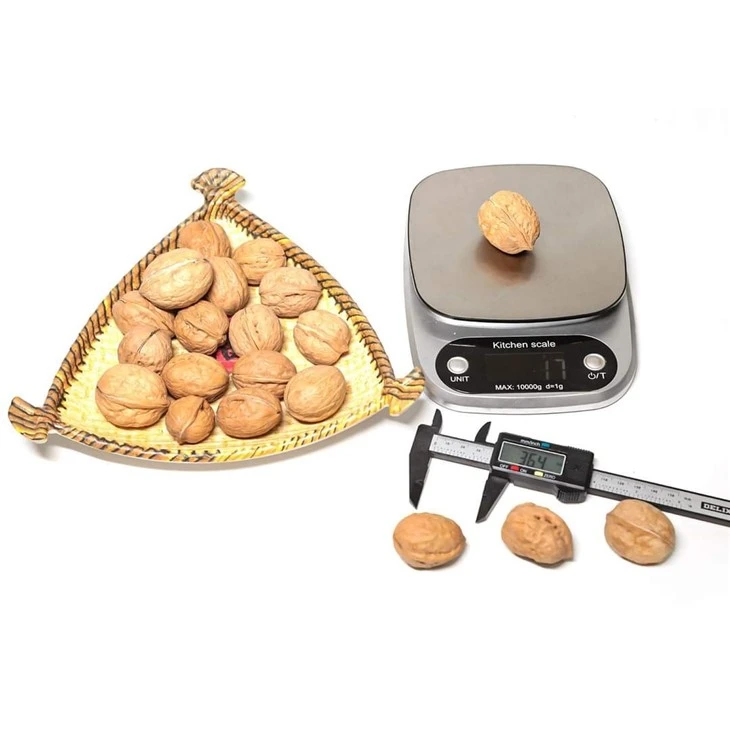
As a supplier, one of our flagship products is the Xiner Unwashed Inshell Walnuts. These walnuts are renowned for their unique shell characteristics. The shell of the Xiner Unwashed Inshell Walnuts has a balanced hardness. It's not overly hard to the point where it becomes a chore to crack open, but it's robust enough to ensure that the kernels remain fresh and well - protected during shipping and long - term storage.
We source our Xiner Unwashed Inshell Walnuts from carefully selected orchards, where the trees are grown in optimal environmental conditions. The soil in these orchards is rich in nutrients, and the climate provides just the right balance of sunlight and rainfall. This combination results in walnuts with a shell that is both durable and user - friendly.
The Benefits of Hard - Shelled Inshell Walnuts
Hard - shelled inshell walnuts, like the ones we supply, come with several benefits. From a quality perspective, the hard shell acts as a natural barrier against moisture and pests. Moisture can lead to mold growth, which can quickly ruin a batch of walnuts. A hard shell reduces the likelihood of moisture seeping in, keeping the kernels dry and fresh.
Pests are another concern when it comes to storing nuts. A hard shell makes it difficult for insects and rodents to access the kernel, protecting the walnuts from infestations. This means that our customers can store their inshell walnuts for longer periods without worrying about spoilage or damage.
In terms of the consumer experience, cracking open a hard - shelled walnut can be a satisfying activity. It adds an element of fun and engagement to the process of enjoying walnuts. It's like a little treasure hunt, where the reward is the delicious, nutrient - packed kernel inside.
The Market for Natural Shelled Walnuts
In addition to our inshell walnuts, we also offer Natural Shelled Walnuts. The market for shelled walnuts is quite different from that of inshell walnuts. Shelled walnuts are more convenient for consumers who want to use them immediately in cooking or baking. They save time and effort, as there's no need to crack open the shells.
However, the process of shelling walnuts can sometimes affect the quality of the kernel. When walnuts are shelled, they are exposed to air, which can lead to oxidation. Oxidation can cause the walnuts to develop an off - flavor and reduce their nutritional value over time. This is where our inshell walnuts have an edge. The hard shell provides a protective layer that slows down the oxidation process, ensuring that the kernels remain fresh and flavorful for longer.
Meeting Customer Needs
As a supplier, we understand that different customers have different needs. Some prefer the convenience of shelled walnuts, while others enjoy the experience of cracking open inshell walnuts themselves. That's why we offer a diverse range of products to cater to these varying preferences.
We also place a high emphasis on quality control. Every batch of walnuts, whether inshell or shelled, undergoes rigorous inspection to ensure that they meet the highest standards. We test the shell hardness, check for any signs of damage or spoilage, and verify the freshness and nutritional value of the kernels.

Encouraging Contact for Purchase and Collaboration
If you're in the market for high - quality inshell walnuts or shelled walnuts, we invite you to get in touch for a purchase discussion. Our team of experts is ready to answer all your questions, provide detailed product information, and offer personalized solutions based on your specific requirements. Whether you're a retailer looking to stock our walnuts in your stores or an individual consumer interested in bulk buying, we can accommodate your needs.
Don't hesitate to reach out and start a conversation about how we can work together to bring the freshest and most delicious walnuts to your table.
References
- "Walnut Production in the United States," USDA Agricultural Handbook.
- "Nutrient Composition and Health Benefits of Walnuts," Journal of Nutrition.
- "Genetic and Environmental Factors Affecting Nut Quality in Walnuts," Horticultural Science Research.