

When it comes to walnuts, one might not immediately think about the solubility of their kernels in liquids. As a supplier of broken walnut kernels, I've often pondered this question: Do broken walnut kernels have a different solubility in liquids than whole ones? In this blog, we'll delve into the science behind walnut kernel solubility, explore the potential differences between broken and whole kernels, and discuss the implications for various applications.
Understanding Walnut Kernels
Walnut kernels are a rich source of nutrients, including healthy fats, protein, fiber, vitamins, and minerals. They are also known for their distinct flavor and texture, making them a popular ingredient in a wide range of culinary dishes, from baked goods to salads.

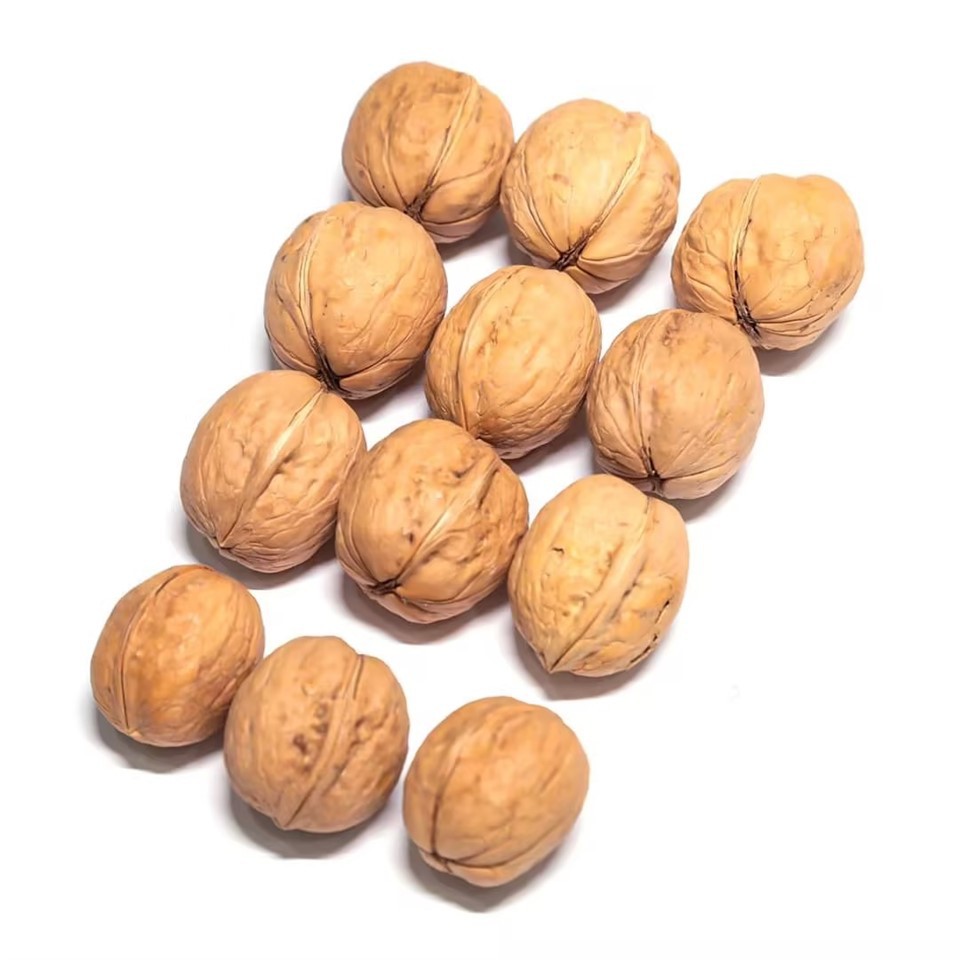
There are different types of walnut kernels available in the market, such as Brown Halves Walnut Kernels, Walnut Kernels 1kg, and Paper Walnut. Each type has its own unique characteristics, which can affect its solubility in liquids.
The Science of Solubility
Solubility refers to the ability of a substance to dissolve in a solvent to form a homogeneous solution. In the case of walnut kernels, the solvent could be water, oil, or other liquids. The solubility of a substance depends on several factors, including its chemical composition, temperature, pressure, and the nature of the solvent.
Walnut kernels are composed mainly of fats, proteins, and carbohydrates. Fats are generally insoluble in water but soluble in organic solvents such as oil. Proteins and carbohydrates, on the other hand, can have varying degrees of solubility depending on their structure and the pH of the solution.
Potential Differences in Solubility between Broken and Whole Walnut Kernels
There are several reasons why broken walnut kernels might have a different solubility in liquids than whole ones.
Surface Area
One of the most significant factors is the surface area. When a walnut kernel is broken, it exposes more of its internal structure to the surrounding liquid. This increased surface area allows for more contact between the kernel and the solvent, which can potentially increase the rate of dissolution.
For example, if you were to place a whole walnut kernel and a broken walnut kernel in a glass of water, the broken kernel would likely start to release its components into the water more quickly due to its larger surface area. This could result in a faster change in the color and flavor of the water compared to the whole kernel.
Structural Integrity
The structural integrity of the kernel can also affect its solubility. Whole walnut kernels have a more intact structure, which can act as a barrier to the penetration of the solvent. In contrast, broken kernels have a disrupted structure, making it easier for the solvent to access the internal components of the kernel.
This means that broken kernels may be more likely to release their nutrients and flavor compounds into the liquid, resulting in a more concentrated solution. For instance, in a walnut oil extraction process, broken kernels may yield a higher amount of oil in a shorter period compared to whole kernels.
Chemical Composition
Although the overall chemical composition of broken and whole walnut kernels is similar, there may be some differences in the distribution of components. For example, the breaking process could expose certain components that were previously protected within the whole kernel. These exposed components may have different solubility properties compared to the ones that are more deeply embedded in the whole kernel.
Implications for Different Applications
The differences in solubility between broken and whole walnut kernels can have several implications for various applications.
Culinary Uses
In cooking and baking, the solubility of walnut kernels can affect the flavor and texture of the final product. Broken kernels may dissolve more readily in liquids, such as milk or cream, which can result in a more intense walnut flavor. This can be beneficial in recipes where a strong walnut taste is desired, such as walnut ice cream or walnut sauce.
On the other hand, whole kernels can provide a crunchy texture and a more subtle flavor. They are often used in recipes where the visual appeal of the whole kernel is important, such as in walnut bread or walnut cookies.
Nutritional Supplements
In the production of nutritional supplements, the solubility of walnut kernels can impact the bioavailability of the nutrients. Broken kernels may release their nutrients more quickly and efficiently, making them a better choice for supplements that aim to deliver a high dose of walnut nutrients.
However, whole kernels may also have their advantages. The intact structure of the whole kernel can protect the nutrients from degradation during processing and storage, ensuring that they remain stable and bioavailable for a longer period.
Cosmetics and Personal Care Products
Walnut kernels are also used in cosmetics and personal care products due to their moisturizing and antioxidant properties. The solubility of the kernels can affect the formulation and performance of these products.
Broken kernels may be more suitable for products that require a faster release of the walnut components, such as walnut-infused facial serums. The increased solubility can ensure that the beneficial compounds are quickly absorbed by the skin. Whole kernels, on the other hand, may be used in products where a more gradual release of the components is desired, such as walnut body scrubs.
Contact for Purchase and Discussion
If you're interested in purchasing broken walnut kernels for your specific application, whether it's for culinary, nutritional, or cosmetic purposes, I'd be more than happy to discuss your needs. The unique solubility properties of our broken walnut kernels can offer distinct advantages for your products. Please reach out to me to start a conversation about how our high - quality broken walnut kernels can meet your requirements.
References
- "Walnut Chemistry and Technology" by various authors, a comprehensive resource on the chemical and physical properties of walnuts.
- Research papers on food science and solubility, which provide in - depth knowledge on the factors affecting the solubility of food components.