

Can Natural Walnut Nut be used in making bread?
As a natural walnut nut supplier deeply entrenched in the nut industry, I am often asked about the versatility of our products. One question that frequently arises is whether natural walnut nuts can be used in making bread. The answer is a resounding yes! In fact, incorporating natural walnut nuts into bread-making not only adds a delightful crunch but also enhances the flavor profile and nutritional value of the bread.
The Nutritional Powerhouse of Walnuts
Walnuts are a nutritional powerhouse, packed with essential nutrients that offer numerous health benefits. They are an excellent source of omega-3 fatty acids, particularly alpha-linolenic acid (ALA), which is known for its anti-inflammatory properties and its role in supporting heart health. Additionally, walnuts are rich in vitamins and minerals such as vitamin E, magnesium, and phosphorus, which are important for maintaining healthy skin, bones, and overall well-being.
When used in bread-making, walnuts contribute to a more nutritious loaf. The omega-3 fatty acids in walnuts can help reduce the risk of heart disease by lowering cholesterol levels and reducing inflammation in the body. The vitamins and minerals in walnuts also add to the bread's nutritional value, making it a healthier choice for those looking to incorporate more whole foods into their diet.
Flavor and Texture Enhancement
Beyond their nutritional benefits, walnuts bring a unique flavor and texture to bread. The nuttiness of walnuts pairs well with a variety of bread flavors, including sweet and savory. Whether you're making a classic white bread, a hearty whole wheat loaf, or a decadent cinnamon-raisin bread, adding walnuts can take the flavor to the next level.
The crunchy texture of walnuts also provides a pleasant contrast to the softness of the bread. When baked into the bread, the walnuts retain their crunch, adding an element of surprise and enjoyment with every bite. This textural contrast makes the bread more interesting and satisfying to eat.
Types of Walnuts for Bread-Making
At our company, we offer a variety of high-quality walnut products that are perfect for bread-making. Our Walnut Kernels 1kg are a popular choice among bakers. These kernels are sourced from the finest walnuts and are carefully processed to ensure their freshness and quality. They have a rich, nutty flavor and a crunchy texture that makes them ideal for adding to bread recipes.
Our Yunnan Extra Light Walnut Kernels are another excellent option. These kernels are known for their light color and delicate flavor, which makes them a versatile ingredient in bread-making. They can be used in a variety of bread recipes, from white bread to whole grain bread, and they add a subtle nutty flavor without overpowering the other ingredients.
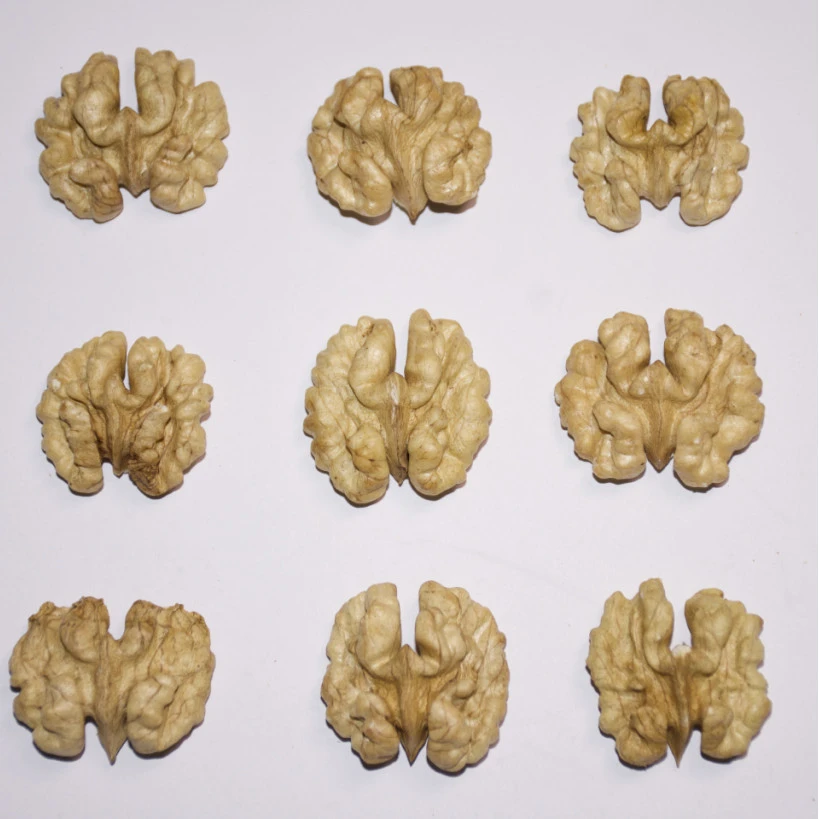

For those looking for the highest quality walnuts, our Premium Walnut Kernels are the perfect choice. These kernels are hand-selected for their size, flavor, and texture, and they are of the highest grade. They have a rich, buttery flavor and a crunchy texture that makes them a delicious addition to any bread recipe.
Tips for Using Walnuts in Bread-Making
When using walnuts in bread-making, there are a few tips to keep in mind to ensure the best results. First, it's important to toast the walnuts before adding them to the bread dough. Toasting the walnuts enhances their flavor and makes them more fragrant. To toast the walnuts, simply spread them in a single layer on a baking sheet and bake them in a preheated oven at 350°F (175°C) for 8-10 minutes, or until they are golden brown and fragrant.
Second, it's important to chop the walnuts into small pieces before adding them to the bread dough. Chopping the walnuts makes them easier to mix into the dough and ensures that they are evenly distributed throughout the bread. You can chop the walnuts by hand using a sharp knife or by using a food processor.
Finally, it's important to add the walnuts to the bread dough at the right time. If you add the walnuts too early in the mixing process, they may get crushed and lose their crunch. If you add the walnuts too late in the mixing process, they may not be evenly distributed throughout the bread. The best time to add the walnuts is after the dough has been kneaded and is ready to rise.
Recipes for Walnut Bread
Now that you know how to use walnuts in bread-making, here are a few recipes to get you started:
Walnut and Raisin Bread
Ingredients:
- 1 cup warm water
- 1 package active dry yeast
- 2 tablespoons sugar
- 1 teaspoon salt
- 3 cups all-purpose flour
- 1/2 cup chopped walnuts
- 1/2 cup raisins
Instructions:
- In a large bowl, combine the warm water, yeast, and sugar. Let stand for 5 minutes, or until the yeast is bubbly.
- Add the salt, flour, walnuts, and raisins to the yeast mixture. Stir until a dough forms.
- Turn the dough out onto a lightly floured surface and knead for 5-7 minutes, or until the dough is smooth and elastic.
- Place the dough in a greased bowl, cover with a damp cloth, and let rise in a warm place for 1 hour, or until the dough has doubled in size.
- Punch the dough down and shape it into a loaf. Place the loaf in a greased 9x5-inch loaf pan.
- Cover the loaf with a damp cloth and let rise in a warm place for 30 minutes, or until the dough has doubled in size.
- Preheat the oven to 375°F (190°C).
- Bake the loaf for 35-40 minutes, or until the bread is golden brown and sounds hollow when tapped on the bottom.
- Let the bread cool in the pan for 10 minutes, then remove it from the pan and let it cool completely on a wire rack.
Walnut and Rosemary Sourdough Bread
Ingredients:
- 1 cup sourdough starter
- 1 1/2 cups warm water
- 1 tablespoon honey
- 1 tablespoon olive oil
- 1 teaspoon salt
- 3 1/2 cups bread flour
- 1/2 cup chopped walnuts
- 2 tablespoons chopped fresh rosemary
Instructions:
- In a large bowl, combine the sourdough starter, warm water, honey, olive oil, and salt. Stir until well combined.
- Add the bread flour, walnuts, and rosemary to the starter mixture. Stir until a dough forms.
- Turn the dough out onto a lightly floured surface and knead for 10-12 minutes, or until the dough is smooth and elastic.
- Place the dough in a greased bowl, cover with a damp cloth, and let rise in a warm place for 12-18 hours, or until the dough has doubled in size.
- Punch the dough down and shape it into a round loaf. Place the loaf in a greased 9-inch round cake pan.
- Cover the loaf with a damp cloth and let rise in a warm place for 2-3 hours, or until the dough has doubled in size.
- Preheat the oven to 450°F (230°C).
- Use a sharp knife to make a few cuts on the top of the loaf.
- Bake the loaf for 25-30 minutes, or until the bread is golden brown and sounds hollow when tapped on the bottom.
- Let the bread cool in the pan for 10 minutes, then remove it from the pan and let it cool completely on a wire rack.
Contact for Purchase and洽谈
If you're a baker or a bread enthusiast looking to incorporate natural walnut nuts into your bread recipes, we'd love to hear from you. As a leading supplier of high-quality walnut products, we can provide you with the freshest and most flavorful walnuts for your baking needs. Whether you're looking for small quantities for personal use or large quantities for commercial production, we can accommodate your requirements.
To discuss your specific needs and place an order, feel free to reach out to us. We're here to assist you every step of the way and ensure that you get the best walnut products for your bread-making projects.
References
- American Heart Association. (2021). Walnuts and Heart Health.
- Harvard T.H. Chan School of Public Health. (2021). Nuts and Seeds.
- Mayo Clinic. (2021). Nuts and Your Heart.